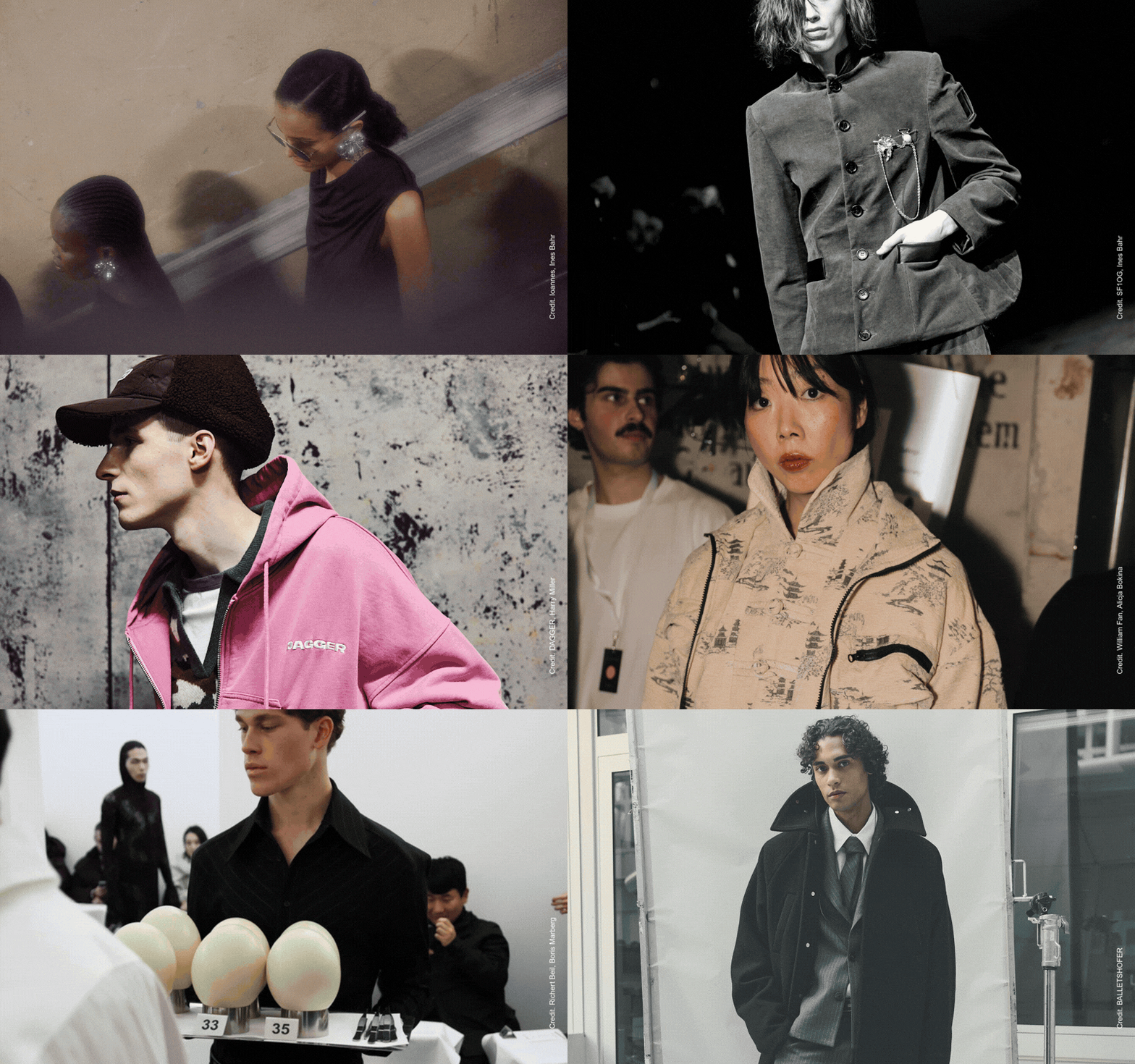



Rooted in Authenticity: This was Berlin Fashion Week AW2026
Berlin, February 3, 2026 – Berlin Fashion Week continues its upward trend. From 30 January to 2 February 2026, the collections for autumn/winter 2026 were presented in 52 presentation formats, among them 42 fashion shows – more than ever before. In line with the growing calendar, national and international interest is also on the rise: around 30,000 visitors from Berlin and beyond attended to discover the highlights of the season.
With a balanced mix of up-and-coming talents, who have made a name for themselves in formats such as Der Berliner Salon and RAUM.Berlin, and well-known names, Berlin Fashion Week is increasingly establishing itself as a key trendsetter. What’s more, it is also attracting attention this season with its clear commitment to diversity, authenticity and sustainability.
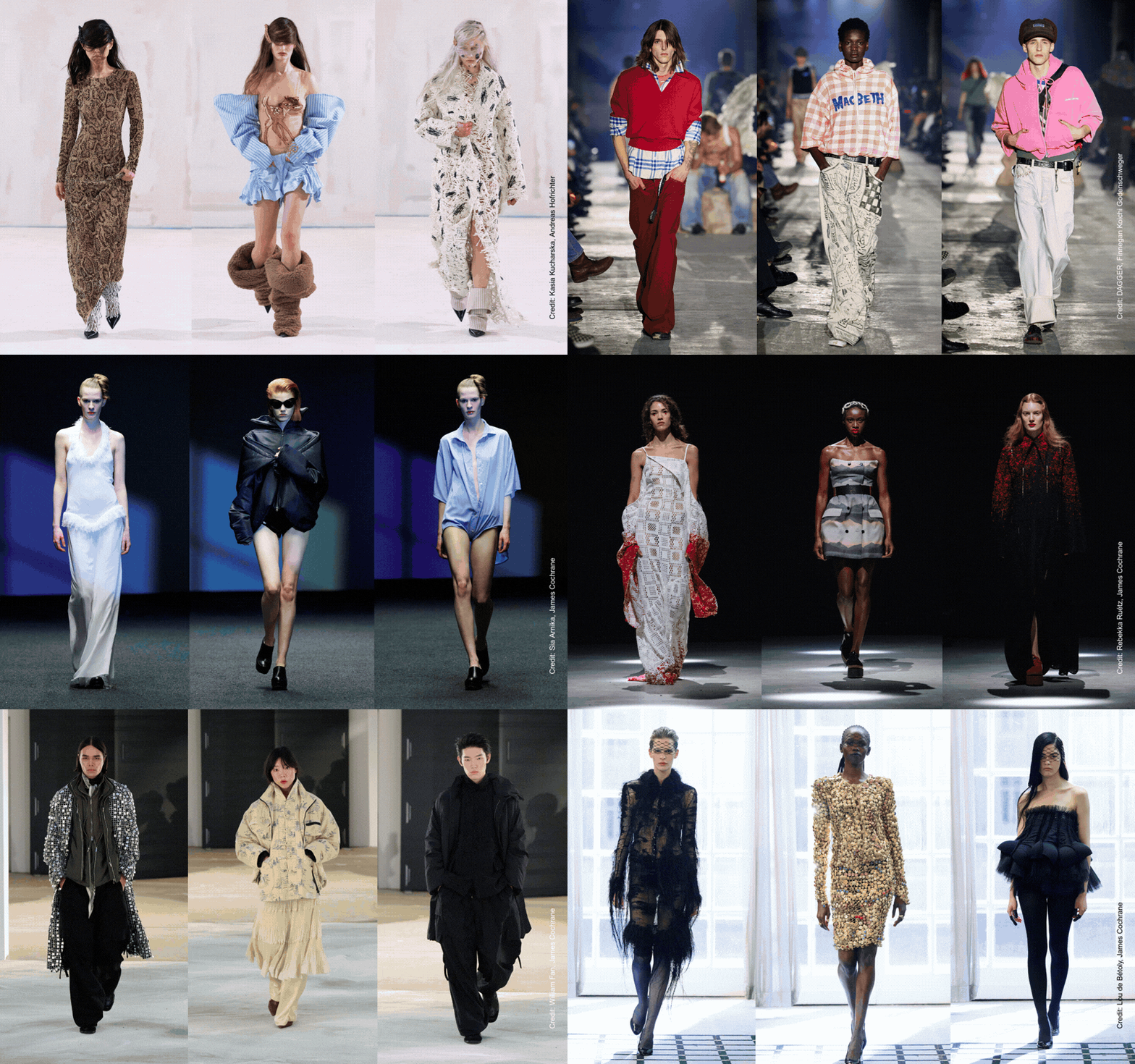
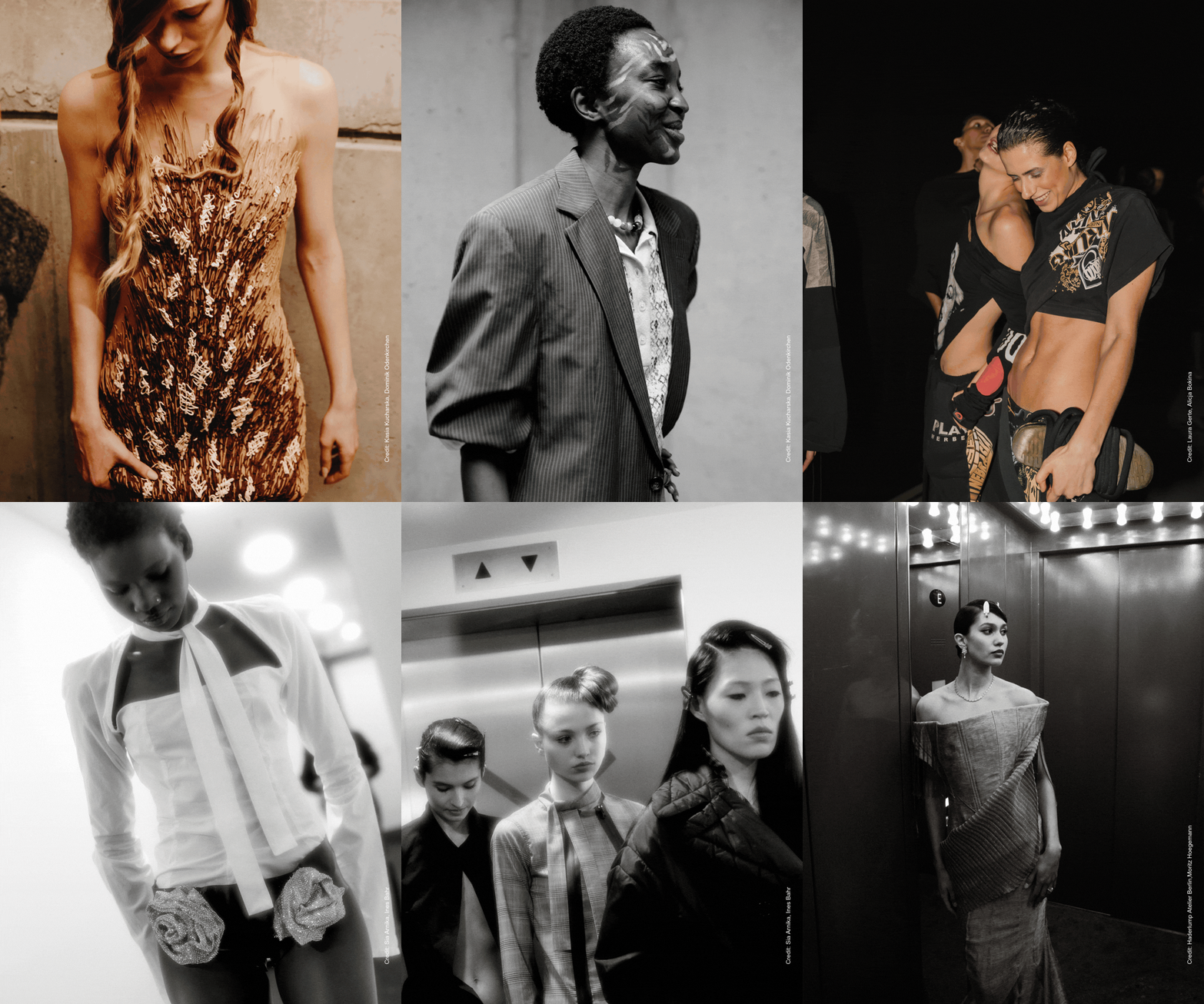
Equality is already a reality at Berlin Fashion Week. Approximately half of the labels on the official calendar are female-owned or run by a female designer. Yet, femininity was not only a structural theme, but was also explored creatively: Laura Gerte and Sia Arnika placed self-determination at the heart of their collections. Kasia Kucharska and Haderlump Atelier Berlin harmoniously combined gentleness and strength in their designs.
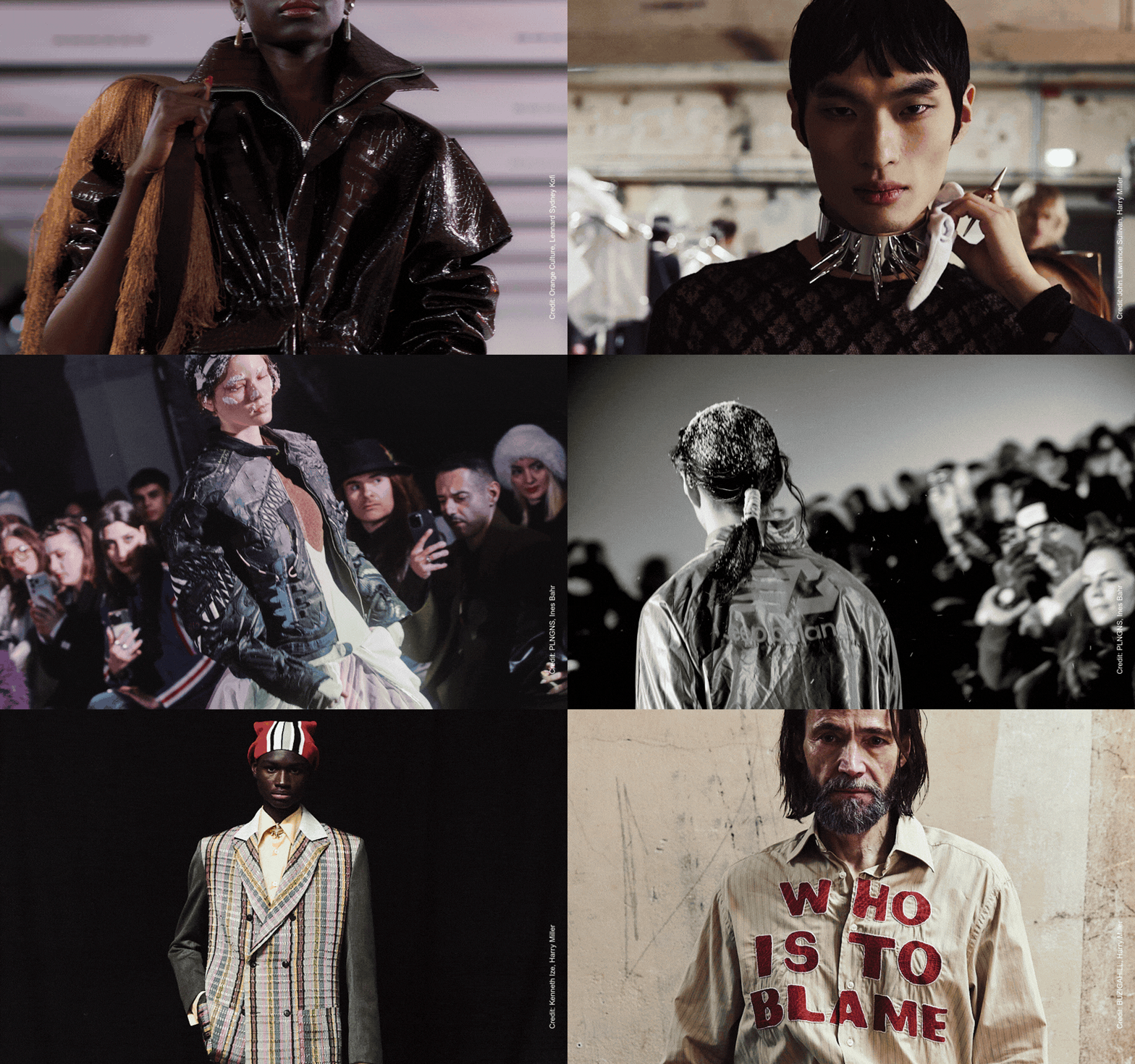
With its growing programme, Berlin Fashion Week is becoming increasingly international: an audience of journalists and buyers from all over the world is drawn to a line-up that has long outgrown national borders. For the first time, John Lawrence Sullivan from Japan and Kenneth Ize from Nigeria presented their collections in the German capital, while the Nigerian label Orange Culture returned to Berlin. BUZIGAHILL from Uganda and PLNGNS from Ukraine were also once again among the Berlin Contemporary winners with their innovative upcycling collections.
Many designers responded to a world whose pace seems to be constantly accelerating by deliberately slowing down. Reduction, craftsmanship and self-positioning became strategies for creative freedom: MARKE countered disinformation with textile clarity, Lou de Bètoly crafted her creations with elaborate handwork, BALLETSHOFER revealed routines as a form of conformity, while Richert Beil and Ioannes created counter-designs to the prescribed rhythm of the fashion industry. Origin and identity were not only central to DAGGER and Andrej Gronau, but were also served as a starting point for innovation for GmbH, SF1OG and William Fan as a starting point for something new.